Orthodontics
Orthodontics is a specialized branch of dentistry concerned with the diagnosis, treatment, and prevention of dental and jaw misalignments. These problems include crowding, gaps between teeth, protruding or misaligned teeth, bite problems such as crossbites or open bites, and other malocclusions that affect oral function and smile appearance. Orthodontics is essential not only for improving smile appearance but also for promoting overall oral health and quality of life.
When teeth are misaligned, they become more difficult to clean, increasing the likelihood of tooth decay, gum disease, and abnormal tooth wear. Jaw misalignment can also cause temporomandibular joint (TMJ) pain, difficulty chewing, speech problems, and strain on the facial and jaw muscles. Therefore, orthodontic treatment aims to address both aesthetic and functional issues to ensure a healthy and balanced bite.
Orthodontic treatment typically begins with a comprehensive evaluation that includes a clinical examination, X-rays, photographs, and digital scans of the teeth and jaws to develop a detailed and personalized treatment plan for each patient.
Common treatment options include:
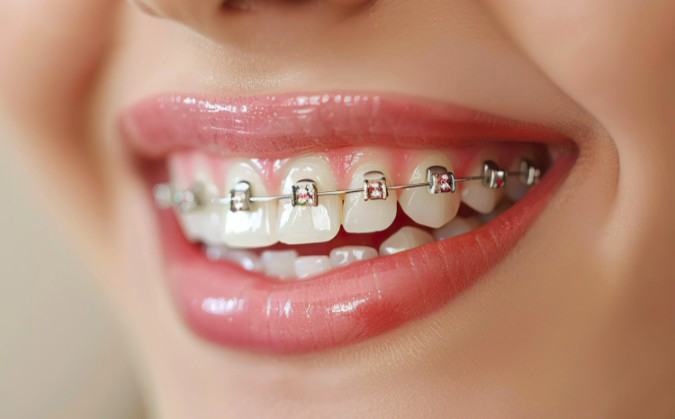
Traditional metal braces: These use brackets and wires to gradually move teeth into their correct position. These braces have evolved to be more comfortable and effective.
Ceramic or clear aligners: These offer a less noticeable solution, as the brackets blend seamlessly with the natural tooth color.
Removable and clear aligners (such as Invisalign): These are a nearly invisible option that is easy to remove, allowing for better oral hygiene and less restrictive eating.
During treatment, regular follow-up visits are conducted to adjust the brackets and accurately monitor tooth movement. The process is gradual to ensure that the teeth and bone adapt healthily to the new position. After active treatment is complete, a retainer is often recommended to maintain the results and prevent teeth from shifting back to their previous position.